

USU Strengthens Science- and Community-Based Establishment of Pulau Pandang Marine Conservation Area
.webp?w=1280&q=75)


USU Strengthens Science- and Community-Based Establishment of Pulau Pandang Marine Conservation Area
Published by
Raisha Andini
Published at
Sunday, 16 August 2026


BATU BARA, NORTH SUMATRA — Universitas Sumatera Utara (USU) is actively contributing to the establishment of a marine conservation area in the waters surrounding Pulau Pandang, Batu Bara Regency, North Sumatra. Held from August 10–14, 2026, the initiative forms an important part of efforts to establish a foundation for marine management that protects biodiversity while supporting fisheries, tourism, and the welfare of coastal communities.
The implementation team was led by Dr. Ahmad Muhtadi, S.Pi., M.Si., a lecturer in the Aquatic Resources Management Study Program, Faculty of Agriculture, USU. The team worked with local government representatives, marine and fisheries technical agencies, communities, and relevant stakeholders to gather input on ecological conditions, marine spatial-use patterns, fishing activities, and the socioeconomic needs of coastal communities.
Ahmad Muhtadi explained that the establishment of a conservation area is not merely intended to restrict the use of marine space. Instead, the process aims to develop balanced governance between ecosystem protection and sustainable resource utilization, enabling the conservation area to provide long-term ecological, social, and economic benefits.
A Scientific and Participatory Approach
The area’s design was developed through a series of data collection and analysis activities, focus group discussions, field assessments, and consultations with stakeholders. The ecological assessment covered coral reef ecosystems, seagrass beds, mangroves, reef fish, megabenthos, important habitats, protected species, and areas with high conservation value and resilience to climate change.
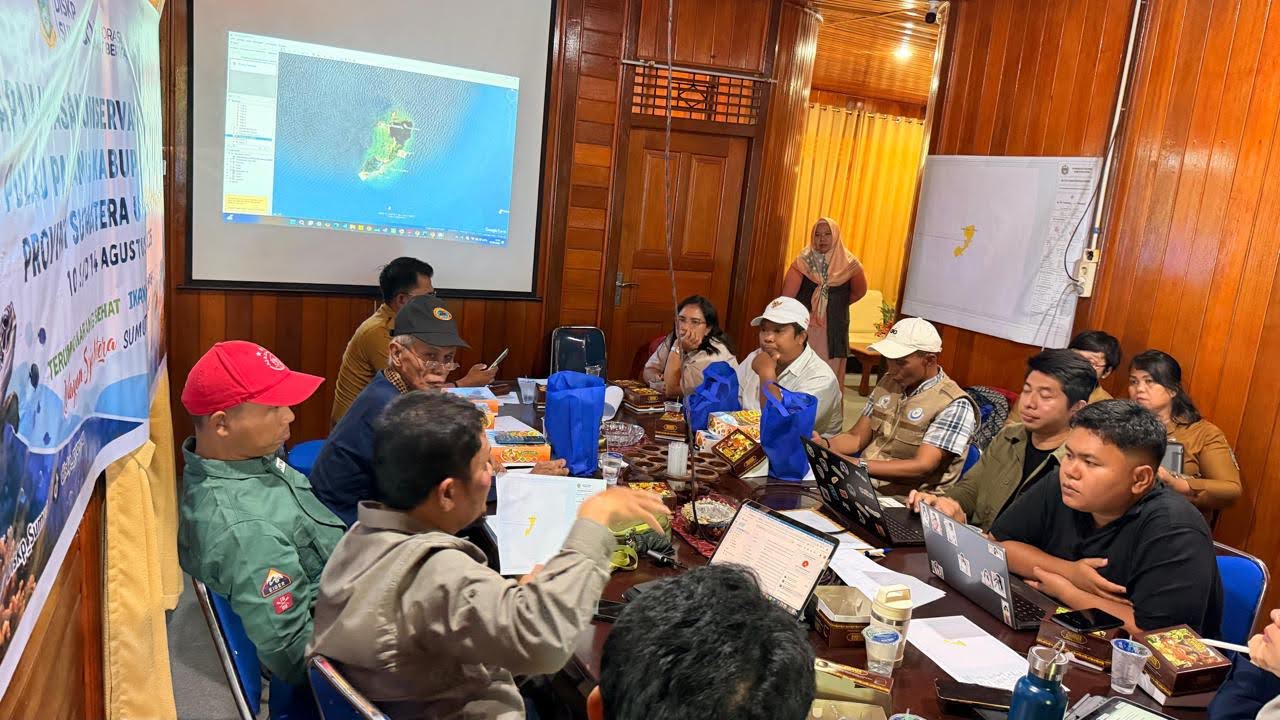
In addition to ecological aspects, the team assessed the socioeconomic profile of local communities, their dependence on fisheries resources, fishing patterns and locations, marketing chains, perceptions of ecosystem protection, and community readiness to participate in management. This information is essential to ensure that the design and zoning of the conservation area respond to the realities of coastal livelihoods.
The collected data subsequently served as input for spatial planning analysis and zoning modeling. This approach was intended to produce recommendations on the location, function, and size of zones that can effectively protect habitats and fish stocks while accommodating areas used by local communities.
Concrete Contributions to the SDGs
Through this initiative, USU reaffirms its commitment to using scientific knowledge as a foundation for public policy and natural resource management. The involvement of lecturers and the academic team in the conservation-area establishment process also strengthens the implementation of the university’s Tri Dharma, particularly applied research and community service that provide direct benefits to regional development.
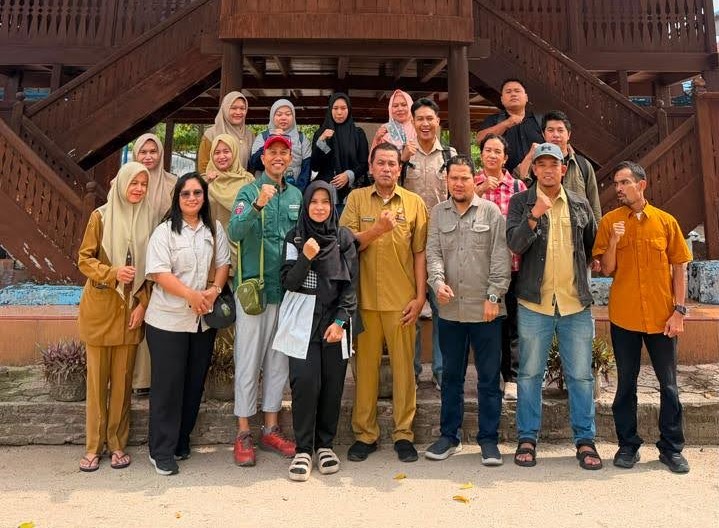
The results of the initiative are expected to strengthen the proposal documents and recommendations for establishing the Pulau Pandang marine conservation area, including its zoning design and management direction. With adequate data and agreement among stakeholders, the area is expected to help maintain ecosystem health, ensure the sustainability of fish resources, and improve the welfare of coastal communities in North Sumatra.


